Food Articles
World Diabetes Day 2012
- Details
- Category: Diabetes In India
- Published: Tuesday, 13 November 2012 00:00
- Written by Dinesh
- Hits: 9644
 | If you think that Diabetes only affects the obese and old, you are sadly mistaken. I was 36 years old, 63-65 kgs in weight when I was diagnosed with Type 2 diabetes. I am from the Indian sub-continent and diabetes runs in my family and most of the males have got it at an early age. Going by that I knew that diabetes would be in my life as well. |
Growing up, I knew my father had diabetes and that he took medicine but he never really educated me on what the disease was, how I could help him and hopefully use that knowledge to delay the onset of my diabetes. It was a different time and perhaps he did not realize the importance of educating me. He eventually passed away from a heart attack, probably a result of his diabetes. I never really learned much from all that and continued to make mistakes of drinking soda, having sweets and having too much food especially rice. I oddly never gained much weight despite these bad habits. Eventually at age 35, I started showing signs of diabetes and was diagnosed with Type 2 diabetes at age 36. It changed everything and now I had to watch everything I ate and can no longer eat like I did before and that will be the case for the rest of my life and will get worse as I get older.
Over the last few years, I see many around me, who are at the risk of diabetes but just don't care (like I was a few years ago) and I feel the least I can do is educate them. I have a 6-year old son who knows about diabetes and what he should avoid. He stays away from soda completely, he limits how much sweet stuff he has every day. If he is offered a 2nd piece of cake at a birthday, he asks us if he can have it. The best thing he does is remind me to stay away from things that are bad for me. I know I must do that so I can be in his life for as long as I can and that he can delay the onset of diabetes in his life (or hopefully never get it or perhaps a cure will be found in the next 30-40 years).An alternate approach to the Indian Buffet
- Details
- Category: Diabetes In India
- Published: Friday, 27 April 2012 00:00
- Written by Dinesh
- Hits: 7892
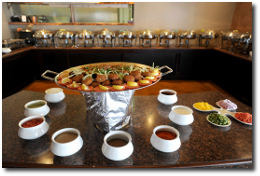 | When you think of Indian food, the first thing that comes to most people's mind is the buffet. People love the Indian buffet because they get to eat till to their heart's content. As a diabetic, buffets are something I try and avoid but its often hard to avoid them, because your friends and family members like to enjoy a good buffet. Also, many restaurants sometimes do not offer you food from their regular menu when they serve buffets. Its a dilemma that I often face. In general, buffets are a problem for the following situations and reasons
|
Can something be done to perhaps change the way the buffet system works in India? Perhaps...This is a thought from how food is served in my office cafeteria. A lot of the food such as salads and pastas are served by weight. You pick what you want on your plate, they weigh it and you pay by the ounce. The maximum price you pay per plate is capped, so if you take more, you don't have to pay extra for it. It works great for someone like me as I need to control my portions. Perhaps with a little help from technology, we could be take this concept to the buffets. Patrons will be provided bar codes when we opt for the buffet. Every time they go for a helping, their plates are weighed and go against the bar code. The patron know where they stand every time they refill. The restaurant can keep a couple of pricing options at 60%, 75% and 100% of the buffet value so people can decide what band they want to eat at. For those who want to go flat out, they can and for those who want to be more careful also have an option.
It may sound crazy and we wanted to see what our readers think of this. Thoughts welcome. Please leave your comments below.
Indians, Buffets and Diabetes - A Recipe for Disaster?
- Details
- Category: Diabetes In India
- Published: Tuesday, 07 February 2012 00:00
- Written by Dinesh
- Hits: 6709
| According to the World Diabetes Foundation, India has the most diabetics in the world with roughly 50 million. The number is expected to grow to over 70 million by 2015. With the recent growth in the middle class wealth, there are certain elements and trends that I see that will make this situation even worse over the next few years. |
Buffets and Mega Buffets - Indians are eating out more these days, especially feasting at the buffets. Almost all the major hotels and popular restaurants now offer a buffet during the week and also have the weekend brunch buffets that have a larger spread. An even scarier trend is the mega buffets that some restaurants have started where they have a separate buffet for each type of cuisine. An example of this is the Gobal Fusion in Mumbai which offers Chinese, Japanese, Thai, Pan-Asian and Indian food along with a special dessert bar.
Paisa Vasool Attitude - We also have the "Paisa Vasool (Value for Money)" attitude which means most of us will over-stuff ourselves just one bite short of having the trouser button snap. It would seem as if this is the last meal for many.
India is the diabetic capital of the world and will continue to have more diabetics if people do not pay attention to their diets. I hope that anyone reading this article will be a little more careful with what they eat at the next buffet, it may just give you a slightly longer and healthier life to enjoy. I think the combination of our genetics, eating habits, lack of exercise, India is heading for a diabetic nightmare.
Read more: Indians, Buffets and Diabetes - A Recipe for Disaster?
Diwali Snack - Masala Puri
- Details
- Category: Festival Food of India
- Published: Saturday, 10 November 2012 00:00
- Written by Dinesh
- Hits: 10825
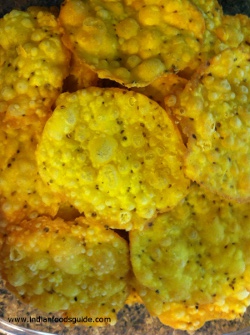 |
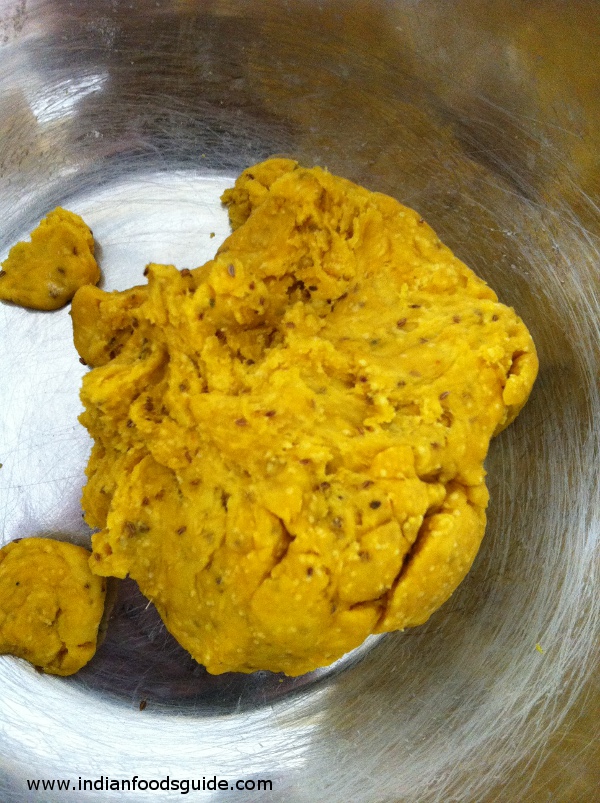
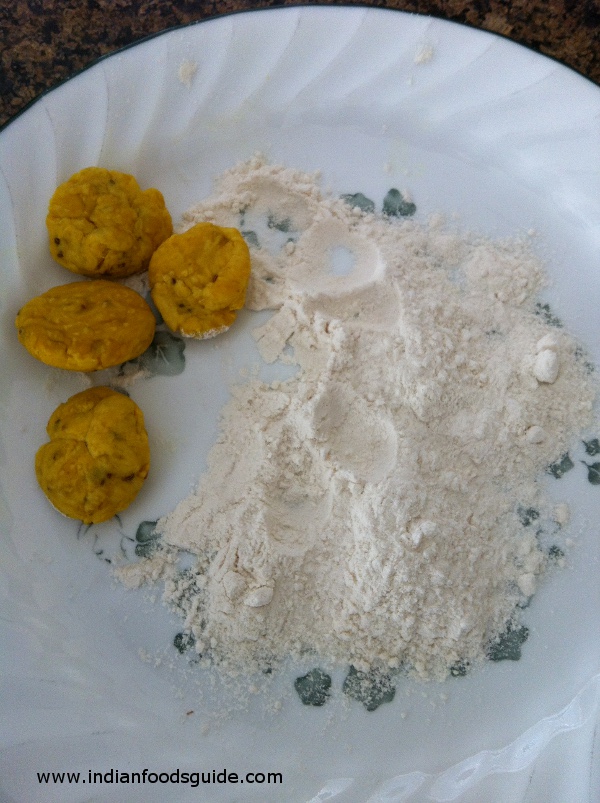
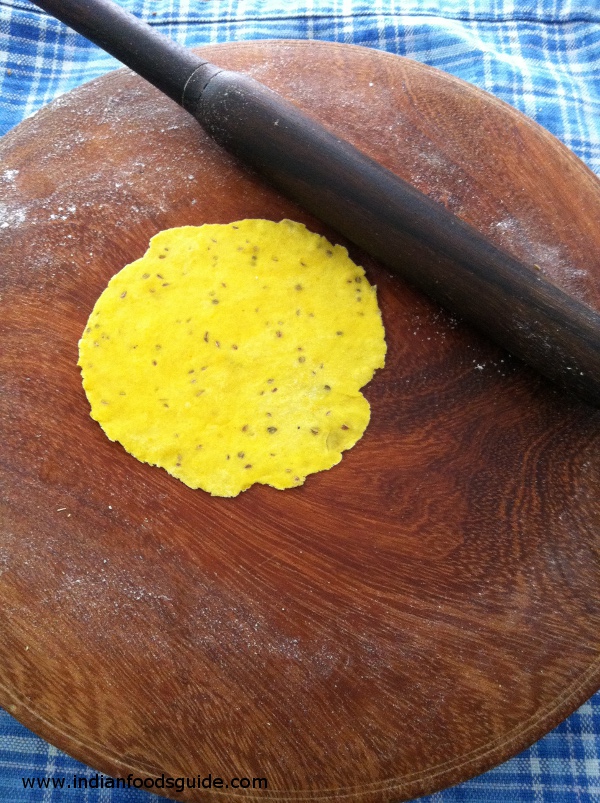
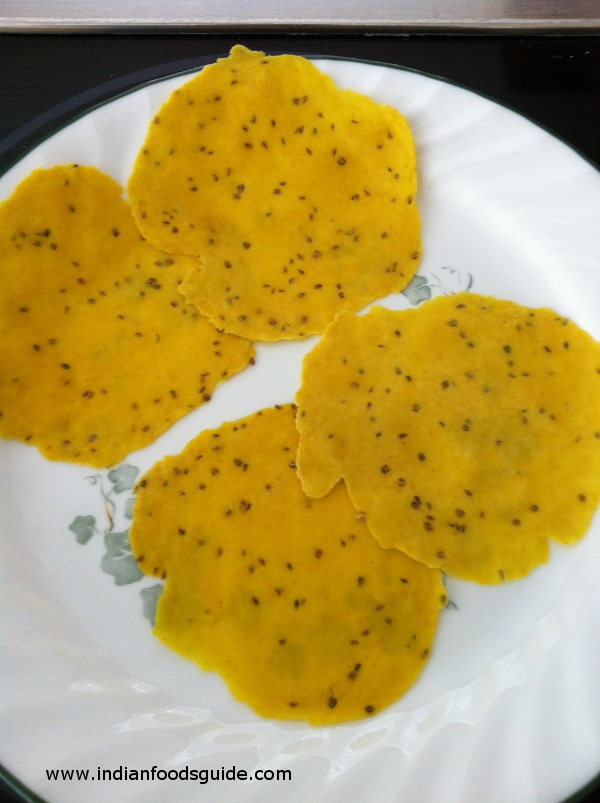
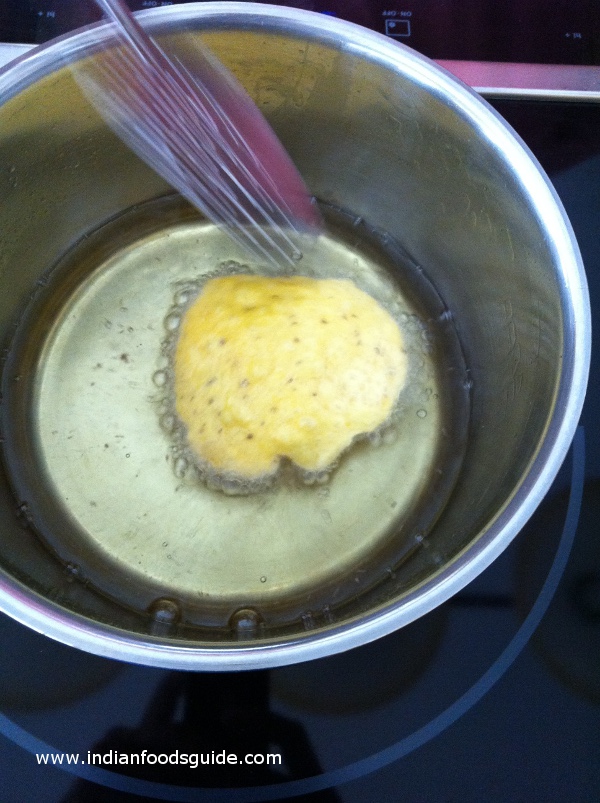
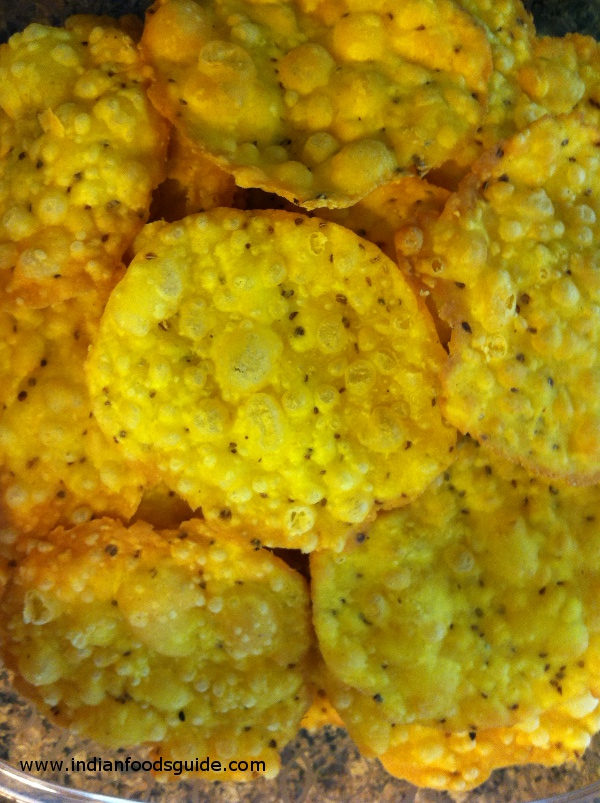
Its Diwali once again and our kitchen gets busier than usual with the preparation of snacks and sweets. We try and make at least 5 items every Diwali and it's a lot of fun. It helps bring in the energy and memories of being in India. This year, the first snack that we made was the Masala Puri. Masala Puri is a crispy and mildly spicy puri that is created by deep frying some dough. |
Subcategories
Global Cuisine
History of Popular Indian Kebabs
In this section of our website, we will try and uncover the stories behind some of the popular kebabs available today. Many kebabs have interesting stories about their origins, many of which relate to royalty.
Mumbai Street Foods
Mumbai is one of the greatest cities in the world and thousands move into the city everyday. Over the history of the city, these immigrants have had tremendous influence on the food of the city. You can find all kinds of cuisine in Mumbai but there are some things that are very Mumbai in nature and this section of the website tries to look at the food items that define Mumbai. Having spent my early life in Mumbai, the thought of many of these items make my mouth drool. Many of these items are now available elsewhere but there's no better place than the streets of Mumbai to have this.
We hope you enjoy this new section and if you have any ideas on things to add, please let us know.